
Endodontics
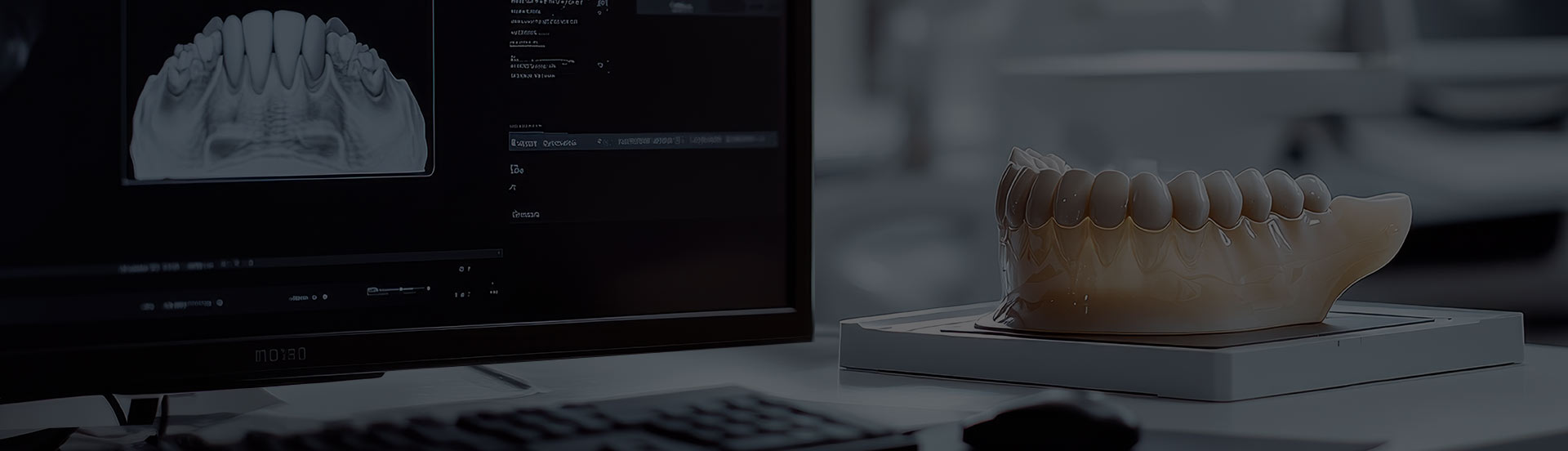
The term endodontics refers to that branch of dentistry that deals with the treatment of the endodontium, that is, the space inside the tooth that contains the nerves and vessels.
Endodontic therapy is used when a carious or traumatic lesion causes irreversible alteration of the pulp tissue, even leading to necrosis. It involves emptying the tooth canals and disinfecting them, shaping them, and then filling them with specific materials and techniques. The goal is to prevent bacteria from reproducing in the canals. Otherwise, the tooth is destined to develop a granuloma, which can later worsen into a dental abscess.
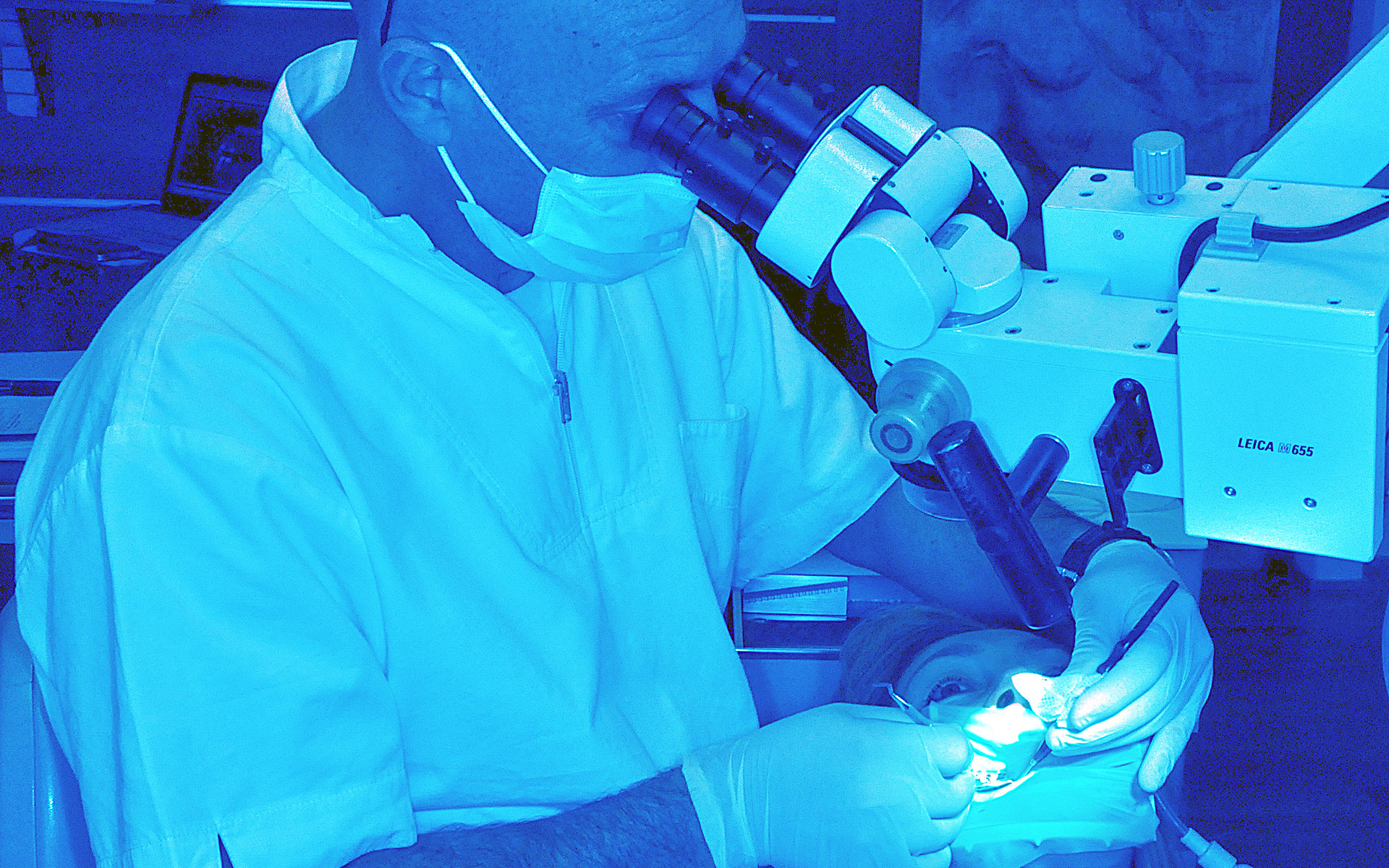
Orthograde endodontic therapy must be performed with the use of a rubber dam which acts as a barrier against saliva and with magnifying optical instruments, as well as with a rich set of instruments for shaping and closing the canals.
Retrograde endodontics is a surgical procedure aimed at treating periapical granulomas and abscesses through the creation of a surgical flap, treatment of the lesion, and subsequent retrograde filling.
Endodontic surgery is therefore the procedure of choice when a tooth with an apical granuloma cannot be treated with a root canal through the crown. This usually occurs due to various types of obstructions in the canals or root canal posts. To save the tooth, retrograde endodontic surgery is performed in which the root apex is removed and the canal is filled with special materials.