

Dental care during pregnancy
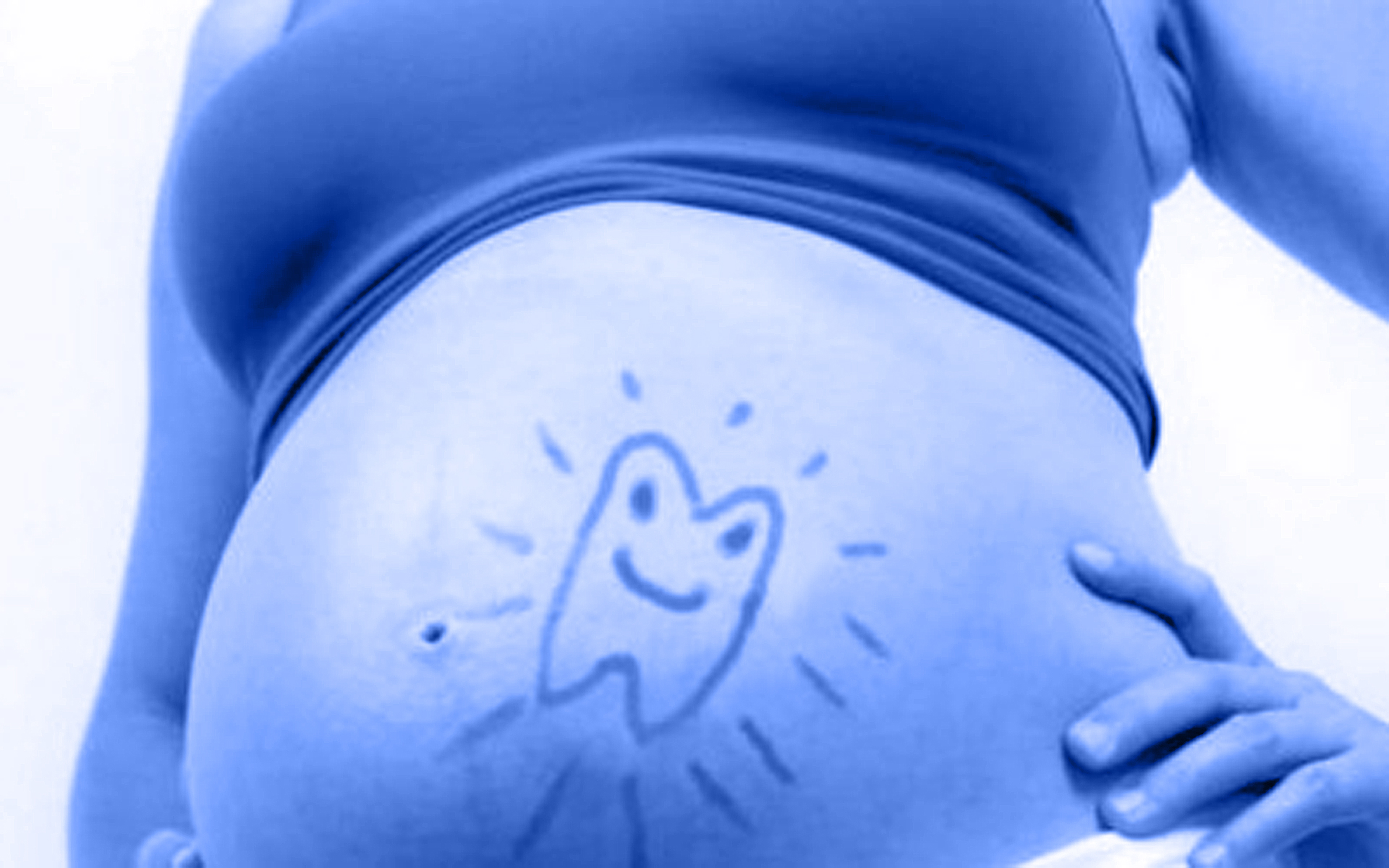
The female body, during childbearing years, is physiologically subject to cyclical variations in steroid hormones. The onset of pregnancy brings about significant changes in hormonal balance. Progesterone is believed to cause vascular changes in the gums, characterized by hyperemia and edema, resulting in gingivitis.
Gingivitis appears within the first trimester, increasing in the third when the estrogen-progestin level reaches high levels. Its severity is directly proportional to the oral hygiene conditions prior to pregnancy, worsening as the pregnancy itself progresses. Clinically, gingival changes occur, such as a change in the surface, losing the orange-peel appearance and acquiring a smooth and swollen appearance; a change in consistency, with the mucosa swollen and edematous; a change in color, ranging from dark red to cyanotic; a deepening of the gingival pockets; increased tooth mobility; changes in shape and position, possibly resulting in gum thickening and recession; and bleeding from the gums, usually caused by even minor trauma, such as brushing teeth or chewing hard foods.
Some more severe forms are characterized by tissue proliferation to the point of papillitis developing in the spaces between the teeth, sometimes so severe that it is known as pregnancy epulis, a benign connective tissue growth. This lesion can appear from the third month of pregnancy and has a good chance of regressing at the end of the gestation period. Since hormonal changes are not possible, pregnant women should be convinced of the usefulness and feasibility of home oral hygiene, combined with a proper and balanced diet, to treat pregnancy gum disease.
The frequency of caries lesions may be increased due to triggering factors, such as metabolic changes, changes in saliva quality, and reduced oral hygiene due to bleeding during brushing, which may distract the patient from her daily oral hygiene habits. From a dental perspective, pregnant women should maintain scrupulous oral hygiene. Furthermore, considering their frequent consumption of carbohydrate-rich foods, it's easy to see how this contributes to an increase in plaque and tartar buildup, factors that predispose to oral diseases.
Therefore, it is essential for the patient to be motivated to maintain proper home hygiene. Fluoride administration has been shown to protect the primary tooth from caries by providing factors that make it more resistant to caries. Prophylaxis should be initiated from the beginning of pregnancy until the ninth month, using NaF tablets dosed at 0.25 mg, taken to ensure 1 to 1.5 mg of fluoride per day.