

Gnathology and bites
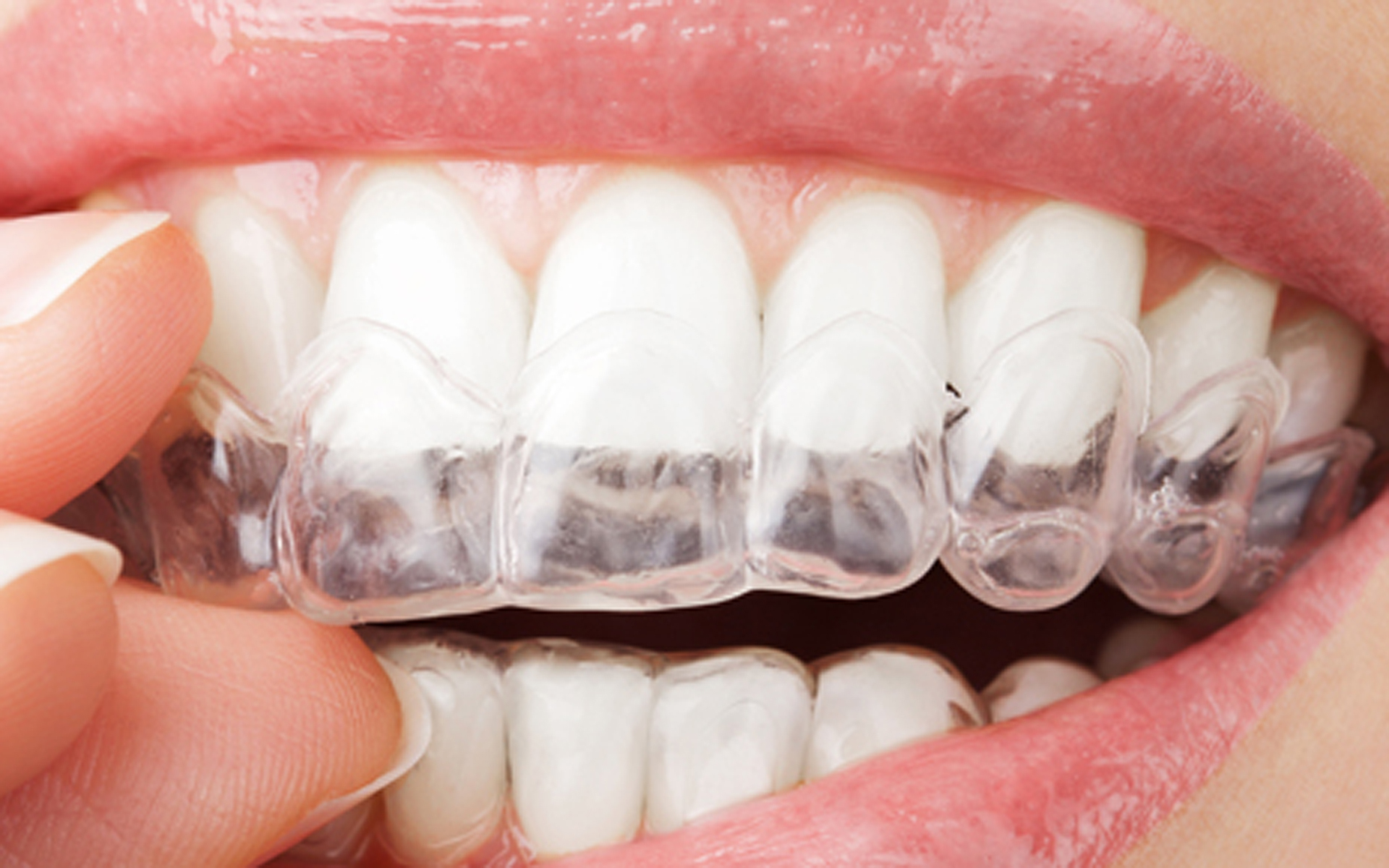
Gnathology is a branch of dentistry that studies the functions of the jaw and, therefore, the relationships between the jaws, teeth, temporomandibular joints, muscles, and the nervous system that controls them, including the tongue and all the organs or systems that may be related to occlusion between the teeth, both in a static and dynamic position. It includes lingual function, swallowing mediated by the hyoid bone and its associated muscles, and, therefore, the stomatognathic system contributes to the overall posture of the human being.
Gnathological therapy involves re-establishing the normal relationship between the mandibular condyle, articular disc, and glenoid fossa. Therefore, it is the position of the mandible in relation to the skull that makes the difference between success and failure. This involves orthodontic devices, primarily made of resin and metal (bite), which reposition the mandible while simultaneously allowing muscle relaxation of the masticatory and all other affected muscles. The bite relaxes and deprograms the masticatory muscles, decompresses the joints, and repositions the mandible. Occlusal contact generates a sensory-motor circuit that programs occlusion. The bite disrupts this circuit and causes a deprogramming that is utilized by the gnathologist. Therefore, bites are used to modify the fit between the maxillary and mandibular dental arches, with the aim of regaining a lost position or recreating the possibility of healing or neuromuscular and joint reconditioning.
They are also used to re-establish lost postural patterns and thus eliminate related problems: headaches, back pain, neck pain, stiff neck, tingling in the extremities, plantar stress, muscular inefficiency in athletes, dizziness, ringing in the ears, sleep apnea, etc. In practice, they can have a contact surface with the teeth of the opposing arch that is smooth or that reproduces dental shapes different from those present in the mouth. There are various types of bites: those molded onto the teeth, which are not very effective; soft hydrodynamic ones or pre-packaged hard ones; orthotic ones, which are custom-made appliances, with an occlusal model that constrains the occlusion to a new corrective position; and finally, there are bite planes, which have a smooth occlusal plane. Each of the above has different applications depending on the diagnosed pathology. Deprogramming and the new, physiological position to be sought are achieved more quickly and with greater certainty through the use of electromyokinesiographic analyses mediated by T.E.N.S. which stimulates the nerves transcutaneously.