
Biotechnology in implantology
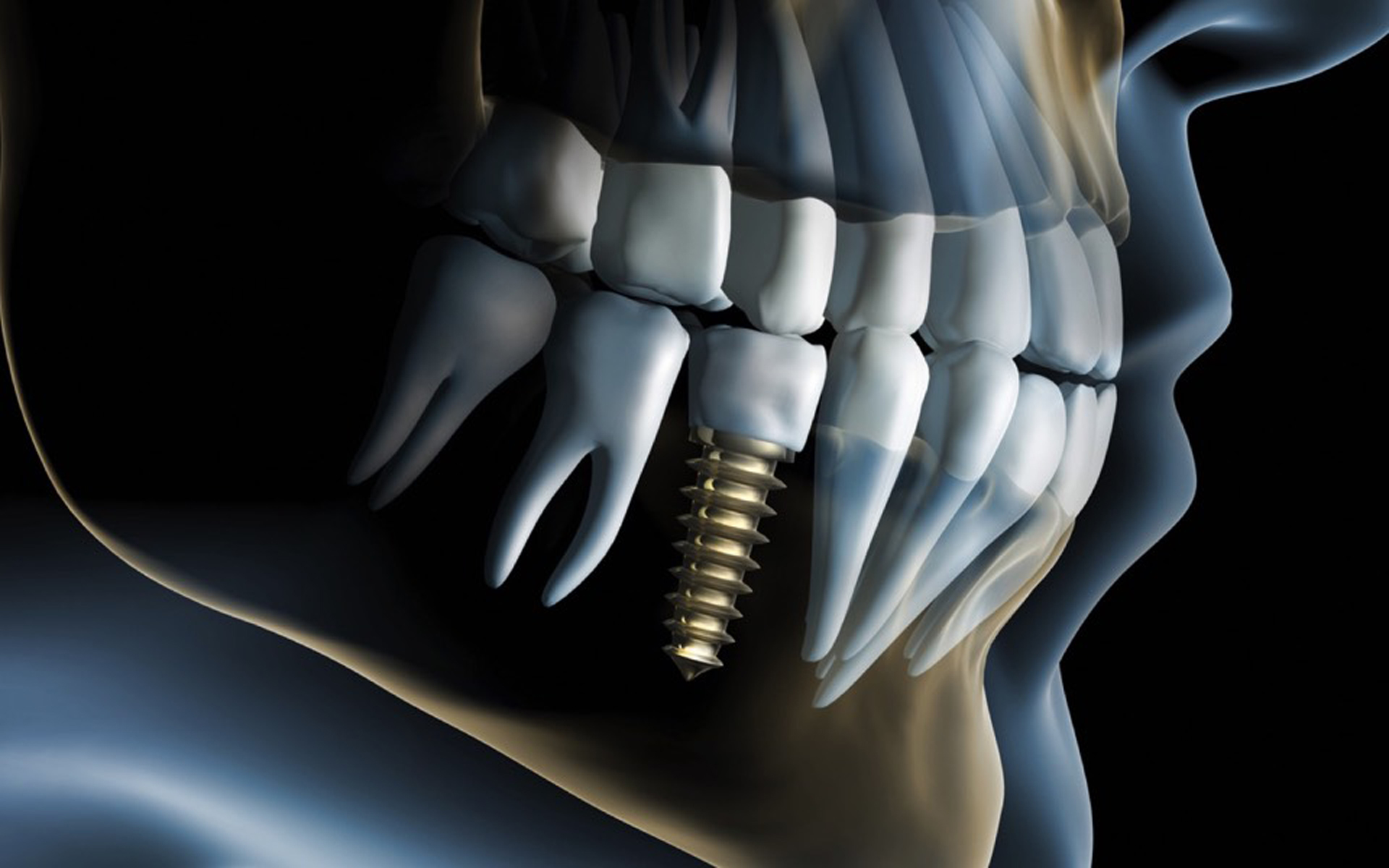
The future of modern implantology lies in biotechnology, some of which are already being used in clinical practice. For example, it offers the possibility of regenerating new bone tissue where necessary without resorting to bone harvesting and grafting, which are always risky and uncomfortable for the patient.
Modern tissue engineering techniques involve regeneration directly on the patient using recombinant growth factors, such as bone morphogenetic proteins, which are applied locally and stimulate the formation of new bone. These techniques also allow for the in vitro construction of the tissue that will be subsequently implanted in the patient with minimal discomfort. This will fill the bone defect and create an adequate volume for implant treatment. Modern biomolecular technologies will likely be increasingly used in dentistry in the coming years, but for now, their very high costs prevent their widespread use.