
New intraoral impression techniques
Impression-taking procedures play a fundamental role in the creation of prosthetic devices.
To this end, operational protocols have been developed that can significantly reduce the margin of error in transforming the biological model into an artificial plaster model.
To date, the most common techniques, the analog ones, involve taking impressions directly in the mouth using impression trays and materials such as alginates or precision silicones.
This leads to uncomfortable sessions lasting several minutes, with difficulty breathing, the inability to swallow, and sometimes retching, due to the presence of specific and cumbersome intraoral impression trays.
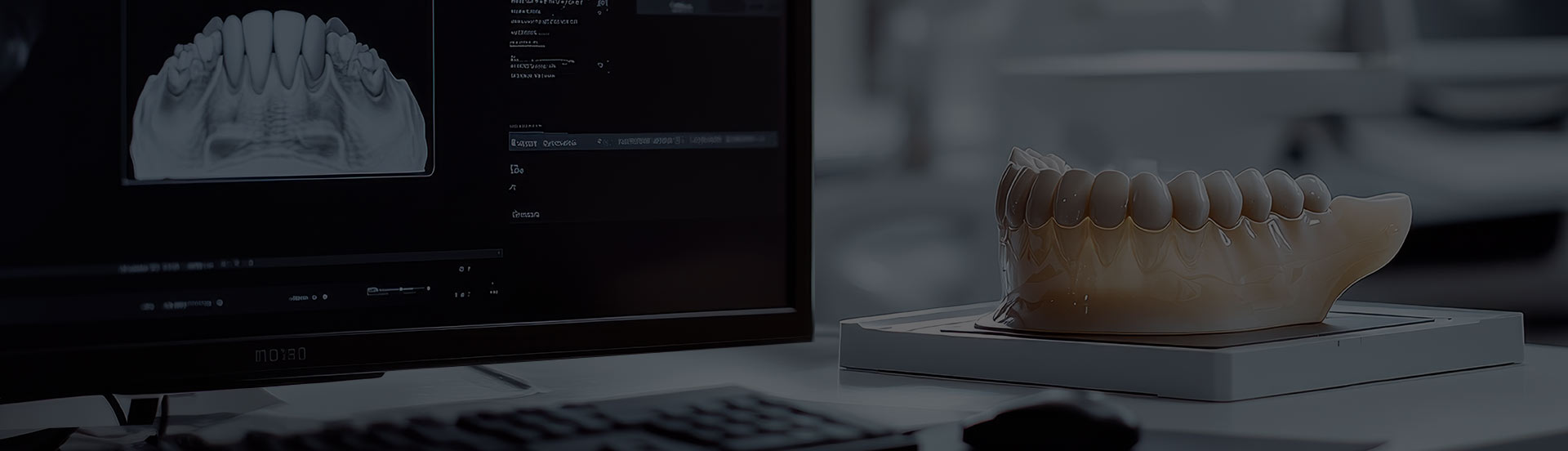
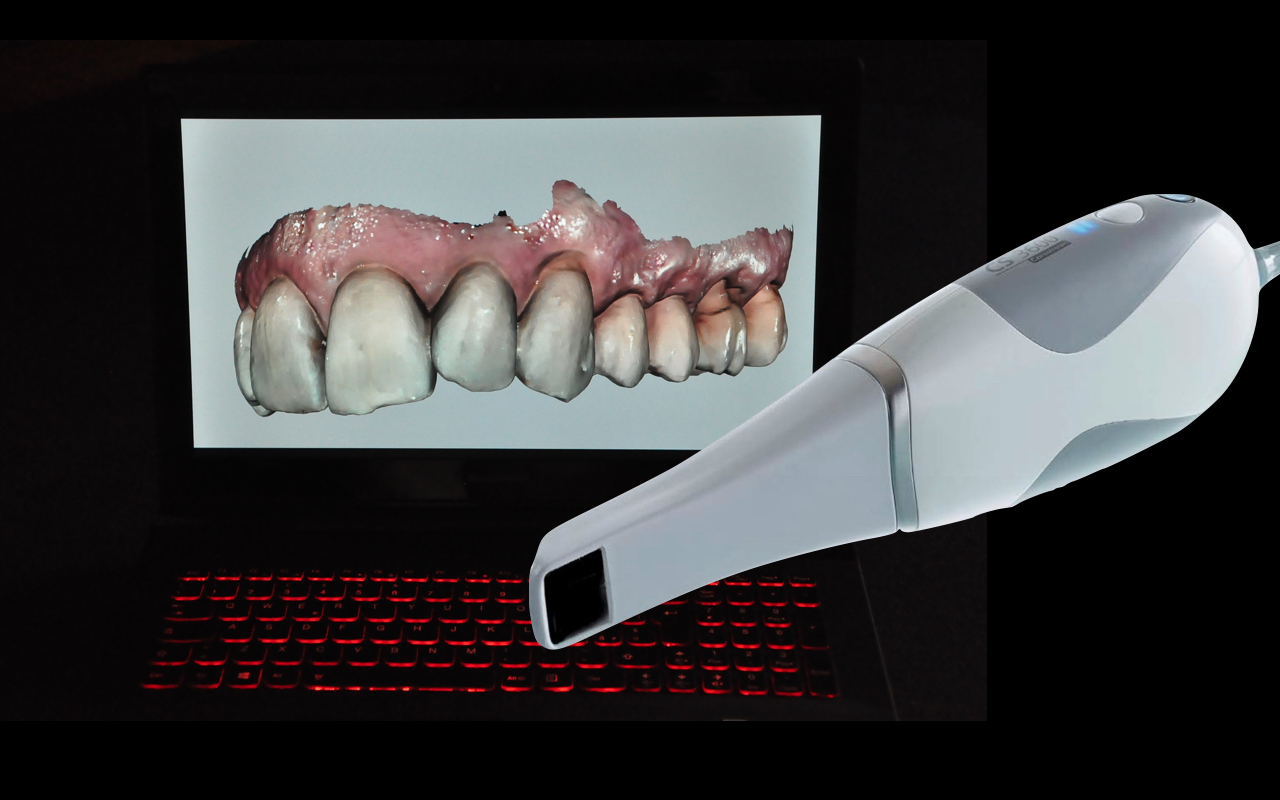
The most recent innovation in this regard is the optical impression which provides the possibility of producing prostheses with CAD-CAM milling techniques and of deepening the diagnostic phase in computer-guided implantology.
The advantage for the patient is great, as they will no longer have to deal with the cumbersome impression tray with material that must remain in the mouth for several minutes. Furthermore, in the event of an artifact or error, it is possible to recover only the particular data from the unsuccessful impression and not necessarily take the entire one a second time. Furthermore, the clinician can visualize the current situation and correct any errors in dental preparations, particularly in hard-to-reach areas, such as the posterior areas of the mouth.